
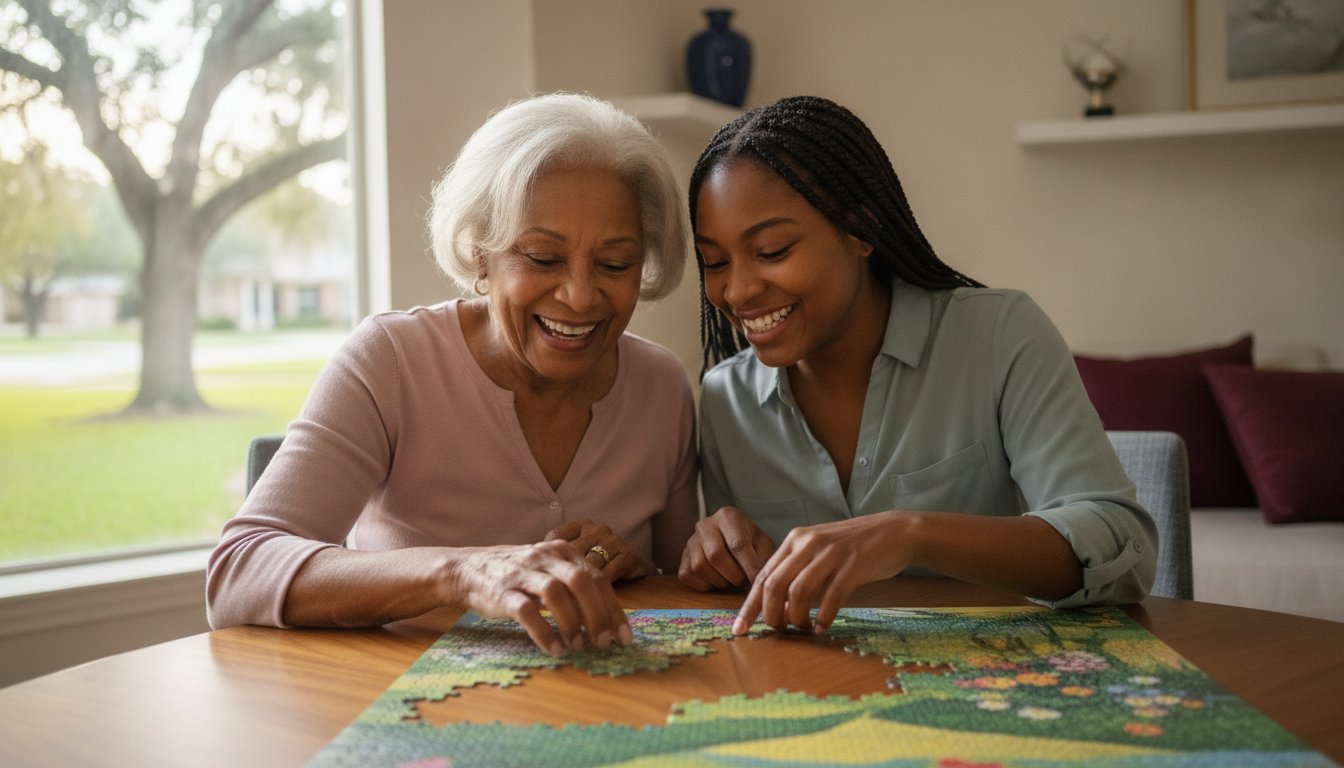
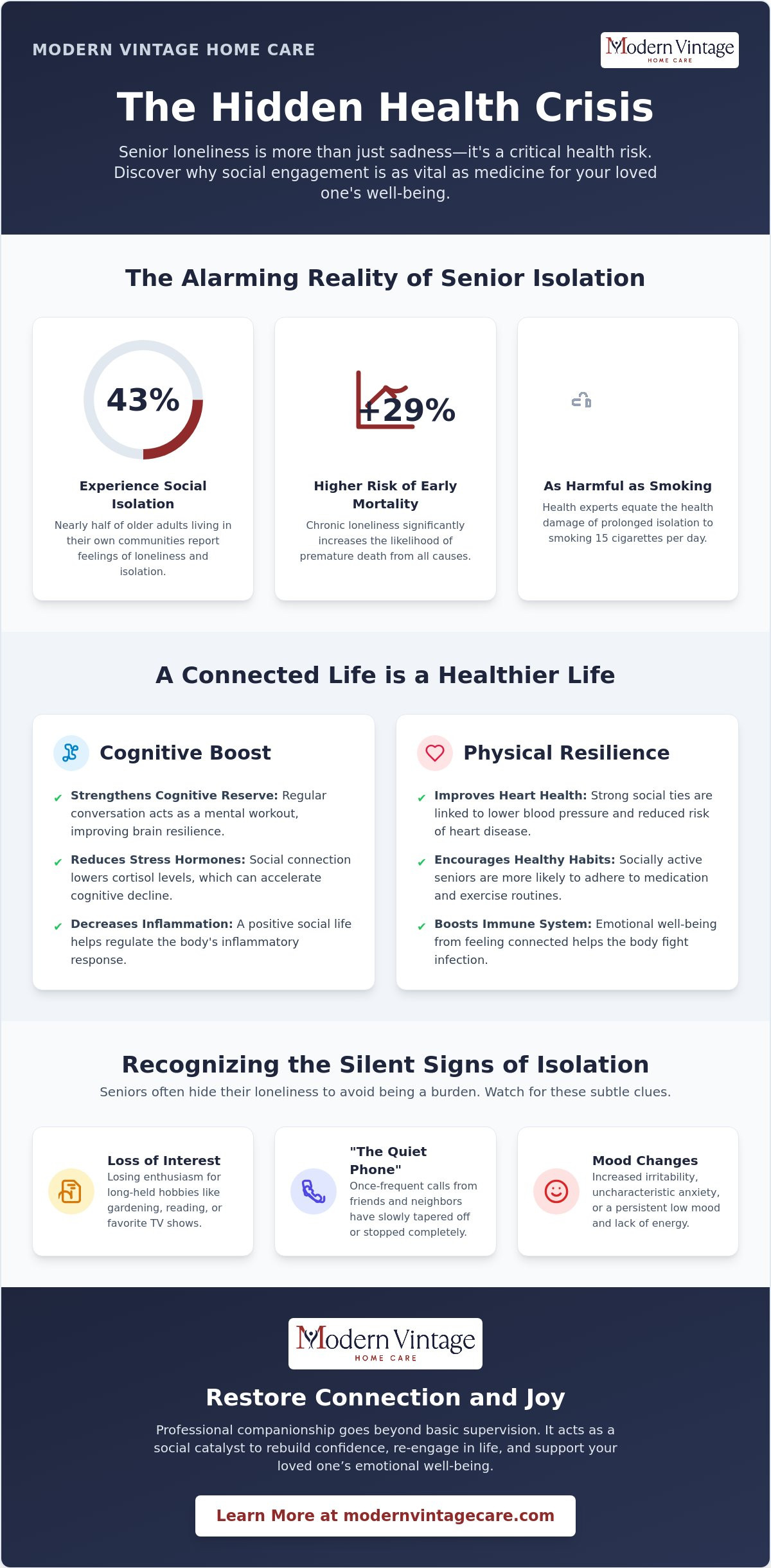
Did you know that nearly 43% of older adults living in their own communities experience social isolation? This isn’t just a matter of feeling lonely; it carries a 29% higher risk of early mortality, making it as dangerous to a person’s health as smoking or obesity. If you’re worried about a parent who spends most of their day alone, you aren’t just being overprotective. You’re responding to a real clinical need for senior social engagement at home.
It’s natural to feel a sense of guilt when your career or family obligations prevent you from visiting as often as you’d like. You want them to be safe and sharp, yet you also want to respect their independence and their desire to stay in the house they love. This guide will show you how to protect your loved one’s mental and physical health by fostering meaningful connections without requiring them to move. We’ll explore practical ways to stimulate their cognitive function, improve their daily mood, and build a reliable support system that keeps them connected to the world around them.
Key Takeaways
- Understand the vital link between active social participation and brain plasticity to help your loved one maintain their cognitive health.
- Learn to identify the subtle behavioral red flags that indicate a senior may be hiding feelings of isolation to avoid being a burden.
- Discover practical ways to build “Anchor Points” into a weekly schedule to ensure consistent senior social engagement at home.
- Explore how to bridge the digital divide using senior-friendly tools that connect your parent to virtual faith groups and family video calls.
- See how professional companionship goes beyond basic supervision to act as a social catalyst for your loved one’s emotional well-being.
What is Senior Social Engagement and Why is it Critical for Health?
Social engagement isn’t just about being in the same room as someone else. There’s a profound difference between passive presence and active participation. While a senior might sit in a crowded living room, they can still feel deeply alone if they aren’t truly connecting with the people around them. True senior social engagement at home involves meaningful interactions that stimulate the mind and nourish the spirit, such as sharing a life story, playing a strategic game, or discussing the morning news.
The consequences of missing these connections are severe. Health experts often refer to a “Loneliness Epidemic,” noting that prolonged isolation can be as damaging to a person’s health as smoking 15 cigarettes a day. To better understand the scope of this issue, families can research What is Social Isolation and how it specifically impacts mortality risks in the elderly. By moving the focus from basic caregiving to intentional companionship, we can support a senior’s holistic wellness rather than just managing their physical symptoms. This shift helps preserve their dignity and keeps their unique spirit alive.
The Link Between Socialization and Cognitive Health
Regular conversation is one of the most effective ways to slow the progression of memory-related conditions. When a senior engages with others, their brain must process language, interpret social cues, and retrieve memories in real time. This mental workout strengthens what experts call cognitive reserve. Cognitive reserve is the brain’s resilience and its capacity to utilize alternative neural pathways to maintain function despite aging or neurological damage. Beyond just mental exercise, social engagement helps regulate the body’s stress response. It reduces levels of cortisol and decreases systemic inflammation, both of which are known to accelerate cognitive decline if they aren’t kept in check.
Physical Benefits of an Active Social Life
A vibrant social life does more than just lift the mood; it has a direct impact on cardiovascular health. Seniors who maintain strong social ties often experience lower blood pressure and a reduced risk of heart disease. There’s also a practical side to this connection. Socially active individuals are significantly more likely to follow their medication schedules and stick to exercise routines because they have a sense of purpose and a supportive community encouraging them. Finally, emotional well-being is closely tied to immune system strength. When a senior feels connected and valued, their body is better equipped to fight off infections and recover from illness. This proves that senior social engagement at home is a vital component of physical longevity.
Recognizing the Silent Signs of Social Isolation in Seniors
Many seniors are masters of the “brave face.” They often hide their loneliness because they don’t want to feel like a burden to their busy children or grandchildren. This silence makes it difficult for families to realize that senior social engagement at home has dwindled until a health crisis occurs. You might notice the “Quiet Phone” syndrome, where the once-frequent calls from friends or neighbors slowly taper off as their social circle naturally shrinks due to age or loss. When the phone stops ringing, the silence in the home can become deafening.
Physical mobility also plays a significant role in this decline. If a parent finds it difficult to navigate the front porch steps or drive to the local market, they may stop leaving the house altogether. This creates a cycle of forced isolation where their world becomes smaller and smaller. Research from the National Institute on Aging highlights the severe health risks of social isolation, including heart disease and a weakened immune system. Identifying these shifts early is the first step toward restoring their quality of life.
Emotional and Mood Indicators
It’s vital to distinguish between clinical depression and situational loneliness, though the two often overlap. You might see increased irritability or uncharacteristic anxiety about leaving the house for simple errands. If a loved one loses interest in long-held hobbies, like gardening or watching their favorite television programs, it’s often a sign they’ve lost their social spark. They aren’t just “getting old”; they’re reacting to a lack of meaningful connection. When a senior feels seen and heard, these emotional symptoms often begin to lift.
Environmental Red Flags at Home
The state of the home often reflects the state of the mind. Uncharacteristic clutter or a sudden neglect of household chores can signal that a senior has “given up” on social hosting. If the calendar on the refrigerator is empty and there are no future-oriented plans, like a lunch date or a hair appointment, the risk of withdrawal is high. Utilizing services like automated check-ins can provide families with an early warning system. These regular touchpoints ensure that even when you can’t be there, someone is monitoring for these subtle changes in routine. If you notice these signs, professional companionship can act as a gentle bridge back to the world, providing the consistent interaction your loved one needs to thrive.
Practical Strategies for Fostering Social Connection at Home
While many experts suggest moving to an assisted living facility to find community, staying in a familiar environment is often the best choice for a senior’s emotional health. You can create a vibrant atmosphere for senior social engagement at home by establishing what we call “Anchor Points.” These are scheduled weekly visits from family, friends, or neighbors that give your loved one something specific to look forward to. Predictability reduces anxiety and combats the health risks of social isolation by ensuring they aren’t left wondering when the next visitor will arrive.
Intergenerational engagement is particularly powerful. There’s a unique energy that grandchildren or young neighbors bring into a home that peers simply cannot replicate. You might also try creating a “Living Room Gallery” by rotating family photos or heirlooms on a coffee table. These items serve as visual prompts that spark storytelling and help a senior feel connected to their own legacy. Even simple mealtimes should be treated as social events. Breaking bread together is the ultimate connector, turning a basic biological need into a moment of shared warmth and laughter.
Structured Activities for Home Engagement
Engagement is most effective when it’s active rather than passive. You can use guided reminiscence therapy by asking open-ended questions about their youth or career, which helps maintain cognitive pathways. Collaborative hobbies like working on a large-print puzzle, light gardening in patio pots, or baking a simple recipe together provide a shared goal. We also recommend “Purpose-Driven” tasks. Asking a senior to help sort old photos or fold linens can significantly boost their self-esteem, as it reinforces their role as a contributing member of the family.
Adapting Hobbies for Changing Abilities
If your loved one faces physical or cognitive challenges, you can still maintain senior social engagement at home by adjusting the activity. For those with low vision, try audiobooks or music-based trivia. When verbal communication becomes difficult, shift the focus to sensory engagement like hand massages with scented lotions or listening to familiar songs. If you’re caring for someone with memory loss, dementia home care services can provide specialized techniques to adapt these social interactions, ensuring the senior remains connected without feeling overwhelmed by complex tasks.
Overcoming Barriers: Technology and Mobility in Sugar Land
Living in the Houston metropolitan area brings unique challenges, especially when the summer humidity makes outdoor visits nearly impossible. Maintaining consistent senior social engagement at home requires navigating these environmental and technical hurdles with patience. While we’ve discussed the importance of scheduling visitors, physical distance and the “Transportation Trap” often prevent family members from being there in person. In Sugar Land, where suburban layouts can make walking to a neighbor’s house difficult, technology and specialized support become essential bridges.
Senior-Friendly Tech Solutions
Bridging the digital divide doesn’t have to be a source of frustration for your loved one. If a standard smartphone feels too complex, then simplified tablet interfaces or voice-activated assistants can offer a more accessible path to connection. These tools allow seniors to join virtual book clubs or attend faith services from the safety of their favorite armchair. You can even use these devices to facilitate “Window Visits” during flu season or extreme weather. Interestingly, even automated medication reminders can serve as a social touchpoint. When a senior hears a friendly, familiar prompt, it reinforces the feeling that they are being looked after and cared for by a wider support network.
Leveraging Local Sugar Land Resources
Sugar Land offers excellent community resources, yet getting to them safely is often the biggest hurdle. The T.E. Harman Center provides a variety of programs for adults aged 50 and older, but if your parent no longer drives, they may feel cut off from these opportunities. Relying on friends for rides can make a senior feel like a burden, which often leads to them staying home and withdrawing further. For Houston seniors, it is vital to prioritize humidity-controlled social environments during the peak summer months to prevent heat-related health issues.
Whether your loved one needs a ride to a local event or requires a companion to accompany them on errands, our Concierge Services provide a reliable solution that respects their independence. By combining local resources with personalized support, you ensure that senior social engagement at home remains a consistent part of their daily life, regardless of the weather or their mobility level.
How Professional Companionship Bridges the Gap to Social Wellness
While many resources suggest moving to a facility to find a sense of community, the most meaningful senior social engagement at home happens when the community is brought to the individual. A professional companion is far more than a “sitter” who simply monitors safety from the corner of the room. Instead, they act as a social catalyst, intentionally creating opportunities for connection that might otherwise be lost to the routine of the day. Whether it’s discussing a favorite book or revisiting a cherished hobby, these professionals ensure that a senior’s home remains a place of active living rather than just a place of residence.
For families who are unsure how to begin, Quick Care Services offer an excellent way to introduce consistent, low-pressure social check-ins. These shorter visits provide a gentle touchpoint that doesn’t feel overwhelming to a senior who values their privacy. Over time, these interactions allow us to develop a personalized Social Care Plan. This plan isn’t static; it evolves alongside your loved one, adapting to their changing energy levels and interests to ensure they always have the right level of support and stimulation.
Building Trust with Stubborn Seniors
It is common for seniors to resist the idea of “help,” especially if they fear it signals a loss of independence. At Modern Vintage Home Care, we use the “Expert Friend” approach to ease this transition. We don’t just send a caregiver; we match individuals based on personality, shared history, and specific interests. If your parent loves classic cinema or gardening, then we find a companion who genuinely shares those passions. By starting slow and focusing on social companionship rather than just task-based help, we build a foundation of trust that makes the senior feel empowered rather than managed. This same dignity-first philosophy extends to every aspect of daily care, including providing elderly bathing and dressing help in a way that honors the person’s privacy and self-worth.
Peace of Mind for Family Caregivers
One of the greatest benefits of professional engagement is the reduction of caregiver guilt. It’s difficult to focus on your own life or career when you’re constantly worried that a parent is sitting in silence. Knowing that a dedicated professional is providing high-quality senior social engagement at home allows you to reclaim your role as a daughter or son rather than just a care coordinator. This support meets the family’s respite needs while ensuring the senior stays safe and sharp. If you’re ready to see how a tailored approach can improve your loved one’s daily life, you can Explore companionship and personal care services in Sugar Land to find the right fit for your family unit.
Building a More Connected Future for Your Loved One
Maintaining a vibrant social life is one of the most effective ways to protect a senior’s cognitive and physical health. Whether you’re establishing a weekly visitor schedule or using technology to bridge the digital divide, your efforts to foster senior social engagement at home make a profound difference in their daily quality of life. By recognizing the silent signs of withdrawal and addressing mobility barriers, you can ensure your loved one remains an active, joyful participant in their own story.
If you’re feeling overwhelmed by the demands of caregiving, you don’t have to navigate this transition alone. As a Licensed Texas Home Care Agency with specialized Alzheimer’s and dementia training, Modern Vintage Home Care has spent years serving families throughout Sugar Land and Missouri City. We provide the professional companionship and steady support needed to keep your parent safe, sharp, and connected to the world they love.
Discover how our compassionate companionship services can brighten your loved one’s day.
Taking that first step toward professional support is often the greatest gift you can give both your loved one and yourself.
Frequently Asked Questions
How much social interaction do seniors really need each day?
While individual needs vary, most experts suggest that seniors benefit from at least 30 to 60 minutes of meaningful interaction every day. This doesn’t always mean a deep conversation; it could be as simple as a shared meal or a short walk. Consistent interaction helps maintain cognitive function and prevents the emotional decline that often accompanies long periods of silence. It’s about quality and frequency rather than just the duration of the visit.
My parent is an introvert; do they still need social engagement?
Yes, introverts still require social connection, though they typically prefer low-stimulation, one-on-one interactions over group settings. For an introverted loved one, senior social engagement at home might involve a quiet hobby like a puzzle or listening to music together. The objective isn’t to force them into being an extrovert. Instead, it’s about providing a steady, calming presence that ensures they don’t feel forgotten or invisible in their own house.
What is the best way to introduce a companion to a senior who refuses help?
The most successful approach is to introduce the professional as a “personal assistant” or a “friend of the family” rather than a caregiver. Focus on a specific, non-medical task they can help with, such as organizing old photo albums or assisting with a light gardening project. This shifts the focus away from “being cared for” and highlights the social benefit. It allows a natural bond to form without the senior feeling like they’ve lost their independence.
Can technology like video calls replace in-person social interaction?
Technology is a wonderful tool for staying in touch, but it works best as a supplement rather than a total replacement for human presence. Video calls can bridge the distance for out-of-state family, yet they lack the sensory elements of being in the same room. Meaningful senior social engagement at home often relies on shared physical experiences, such as a gentle pat on the hand or the comfort of a shared living space that digital platforms cannot replicate.
How does social engagement change for seniors with advanced dementia?
Engagement for those with advanced dementia moves away from complex verbal conversation and toward sensory and emotional connection. Social wellness in these cases might involve listening to familiar songs, looking at high-contrast picture books, or tactile activities like sorting soft fabrics. The goal is to stimulate the senses and provide a feeling of safety and belonging. We focus on the “emotional residue” of the interaction, ensuring the senior feels calm and loved long after the visit ends.
Are there local Sugar Land programs that help with senior isolation?
Sugar Land residents have access to several excellent resources, including the T.E. Harman Center, which offers a variety of programs and social classes for adults aged 50 and older. Additionally, Fort Bend County provides specialized transportation services for seniors who can no longer drive, helping them reach local appointments and community hubs. These programs are fantastic for getting out of the house, but they work best when paired with a consistent support system within the home.
What is the difference between companionship and personal care?
Companionship focuses on emotional support and mental stimulation, while personal care involves physical assistance with daily living tasks. A companion might play cards, go for walks, or prepare a light meal with your loved one to keep them engaged. Personal care is more hands-on and includes help with bathing, dressing, and medication management. Families navigating these hands-on routines may find it helpful to review a dignity-first approach to elderly bathing and dressing help to ensure these moments of vulnerability are handled with the utmost respect. Many families choose to combine these services to ensure both the physical safety and the emotional well-being of their parent.
How do I know if my parent is lonely or actually depressed?
Loneliness is often a situational feeling that improves when social contact increases, whereas depression is a clinical condition with persistent, heavy symptoms. If your parent remains deeply withdrawn even after frequent social visits, or if they experience significant, uncharacteristic changes in sleep and appetite, it’s time to consult a medical professional. Loneliness is a signal that connection is missing; depression is an illness that requires a formal diagnosis and a specialized care plan.