
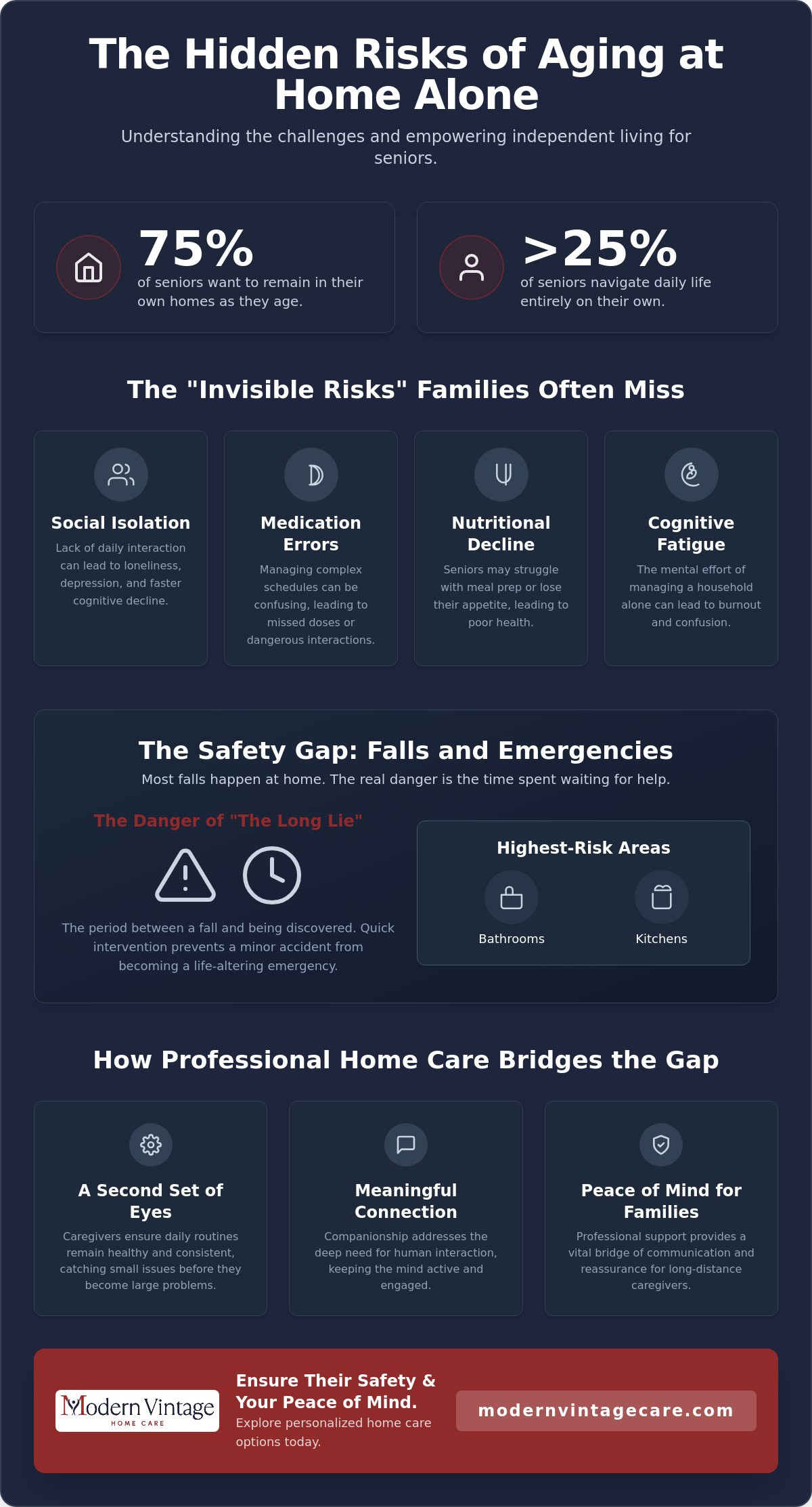
Did you know that 75% of adults aged 65 and older want to remain in their current homes as they age, yet over a quarter of them are navigating daily life entirely on their own? It’s a natural desire to hold onto the comfort of a familiar living room or the garden you’ve tended for decades. However, for many families, this independence is often shadowed by the quiet worry of a missed medication dose or an unobserved fall. You want your loved one to stay where they’re happiest, but the weight of long-distance caregiving can lead to significant burnout.
Finding the right balance of home care for elderly living alone doesn’t have to mean sacrificing their dignity or your peace of mind. We believe that staying at home should be a source of joy, not a cause for anxiety. This guide explores how a blend of compassionate professional support and the latest 2026 safety technology empowers seniors to live safely and vibrantly in their own space. We’ll walk you through personalized care options, smart monitoring tools, and social engagement strategies that turn the goal of aging in place into a secure, sustainable reality for your family.
Key Takeaways
- Identify the “invisible risks” of aging in place, such as cognitive fatigue and social isolation, to create a proactive safety plan.
- Discover how customizable home care for elderly living alone preserves personal dignity while providing essential support with daily routines.
- Learn how modern automated monitoring technology serves as a reliable safety net during the hours a caregiver is not present.
- Master a gentle framework for evaluating daily needs and approaching sensitive conversations about care with your loved ones.
- Explore specialized care programs tailored for the Sugar Land community, ranging from concierge services to dedicated Alzheimer’s support.
The Reality of Aging in Place: Why Living Alone Presents Unique Risks
The concept of Aging in Place is simple. It refers to the ability to live in one’s own home safely and independently, regardless of age or ability level. For many, it’s the ultimate goal. However, living solo introduces a set of “invisible risks” that aren’t always obvious during a cheerful Sunday afternoon visit. When a senior lives alone, small issues like cognitive fatigue or a slight decline in nutrition can snowball into larger health crises before anyone notices. These subtle shifts often go unaddressed because the individual wants to maintain their sense of autonomy.
Family members often rely on weekly check-ins to gauge how a parent is doing. During these visits, a senior might “rally,” showing their best self and masking the daily struggles of managing a household. You might see a clean kitchen, but you may not see the expired food in the pantry or notice the subtle confusion that comes with managing complex medication schedules. This gap between appearances and reality is where professional home care for elderly living alone provides a vital second set of eyes. It ensures that the daily routine remains healthy and consistent, rather than just appearing that way once a week.
There’s a deep correlation between daily social engagement and cognitive health. Without the mental stimulation of conversation, the brain can experience a form of “rust.” When someone lives alone, the lack of a morning greeting or a shared meal can lead to cognitive decline at a much faster rate than those who interact with others daily. Providing a supportive environment is about more than just safety; it’s about keeping the mind active and engaged through meaningful human connection.
For those interested in how these social connections are prioritized in a home setting, you can learn more about the role of professional companions in maintaining cognitive vitality.
The Safety Gap: Falls and Medical Emergencies
Statistically, most senior falls occur in the home, with bathrooms and kitchens being the highest-risk areas. The physical injury is only part of the danger. The true risk is “the long lie,” which is the period between a fall and being discovered. If a senior is unable to reach a phone, they may wait hours or even days for help. Professional monitoring and regular check-ins drastically reduce this window. We believe that quick intervention is the key to ensuring a minor accident doesn’t turn into a life-altering emergency.
The Emotional Toll of Senior Isolation
Loneliness isn’t just a feeling; it’s a health risk. Studies show that persistent isolation is linked to higher rates of depression and cardiovascular issues. For seniors living alone, the absence of daily connection can strip away their sense of purpose. Companionship is the heart of home care for elderly living alone, as it addresses the deep-seated need for human connection. Whether it’s discussing the news or sharing a hobby, these interactions are essential for maintaining emotional well-being and a high quality of life.
Essential Home Care Services for Independent Seniors
Supporting a loved one as they age isn’t a one-size-fits-all solution. It’s about finding the right balance that preserves their dignity while ensuring their safety. Non-medical support focuses on the person, not just the task. Whether a senior needs help for a few hours a week or requires 24-hour home care Houston residents can rely on, the goal is always to empower them to stay in their own space. Professional caregivers act as the essential eyes and ears for families who may live miles away, providing a bridge of communication and peace of mind. If you’re beginning to notice these signs, exploring personalized support options can help your family find the right path forward.
Personal Care and Daily Living Assistance
Maintaining personal hygiene is about more than just physical health; it’s about self-esteem. Assistance with Activities of Daily Living (ADLs) such as bathing, dressing, and grooming ensures that seniors feel their best every day. This support also prevents common issues like skin infections that can arise from neglected hygiene. A critical part of this routine is medication management for elderly individuals. By ensuring prescriptions are taken correctly and on time, caregivers help prevent dangerous drug interactions or missed doses. This proactive approach to health is a cornerstone of Growing Older at Home safely.
Companionship and Social Engagement
Social isolation can be just as detrimental as physical illness. Having someone to share a meal with or take a walk through the neighborhood can transform a senior’s outlook. Caregivers offer more than just physical help; they provide meaningful conversation and support for long-held hobbies. In Sugar Land, this might include transportation to local senior centers or assistance with grocery shopping. These interactions help home care for elderly living alone feel less like a clinical service and more like a trusted partnership that honors the individual’s spirit.
Nutritional Support and Meal Preparation
Eating well becomes more complex as we age, especially when managing chronic conditions. Caregivers prepare meals that adhere to specialized diets, such as low-sodium or diabetic-friendly options, ensuring that nutrition supports overall health. In the Houston area, hydration is a paramount concern during the high-heat summer months. Caregivers provide gentle reminders and ensure fluids are always within reach to prevent heat-related complications. They also perform regular fridge checks to ensure food safety, removing expired items that could lead to illness. This attentive care is why home care for elderly living alone is such a transformative resource for families who want to ensure their loved ones are thriving, not just getting by.
Leveraging Technology: Automated Safety and Monitoring
Modern technology has transformed how we approach home care for elderly living alone. It’s best viewed as a supportive layer that works alongside human caregivers rather than a replacement for the warmth of person-to-person connection. These digital tools create a continuous safety net, providing security during the quiet hours when a professional isn’t physically present in the home. For many seniors who value their privacy, these systems offer a non-intrusive way to stay safe without feeling like they’re under constant surveillance. This balance allows them to maintain their independence while giving family members the reassurance they need to sleep better at night.
Smart home features integrate seamlessly with professional oversight to create a more responsive living environment. Whether it’s voice-activated assistants for quick communication or smart lighting that illuminates a path to the bathroom at night, these innovations directly address the risks of solo living. When these tools are paired with comprehensive Home Care Services for Seniors, the result is a tailored environment that prioritizes both physical safety and emotional comfort. It’s a proactive way to manage health rather than simply reacting to emergencies after they happen.
Automated Check-In Services
For seniors who may be resistant to having a caregiver in their home every day, automated check-in services offer an ideal entry-level solution. These systems use scheduled digital check-ins or brief automated calls to verify that a senior is awake, active, and safe. If a check-in is missed, a clear protocol is triggered, which typically includes immediate notification of family members or a local care coordinator. This ensures that a potential issue is identified in minutes rather than hours. It’s a simple, respectful way to provide a safety net that honors a senior’s desire for privacy.
Automated Medication Reminders
Maintaining a complex medication schedule is one of the most challenging aspects of living alone. Missing a dose or accidentally doubling up can lead to serious health complications and avoidable hospital visits. Utilizing automated medication reminders for seniors Sugar Land residents can trust significantly improves health adherence. These systems take the burden of “pill box” management off the family’s shoulders, ensuring that prescriptions are taken exactly as directed. By focusing on adherence, we help seniors stay healthier for longer and reduce the stress of medication management for everyone involved.
Evaluating Your Options: When is it Time for Professional Help?
Determining when to transition from independent living to supported living is one of the most delicate decisions a family can make. It often starts with a look at Instrumental Activities of Daily Living (IADLs). These include tasks like managing finances, handling transportation, and keeping up with home maintenance. If these complex daily requirements are becoming overwhelming, it’s likely the right time to consider home care for elderly living alone. While assisted living facilities offer a structured environment, they also require a significant life change and the loss of a familiar setting. Home care, by contrast, allows your loved one to stay in the place they love while receiving the specific help they need to thrive. For partners who wish to remain in their family home together with dedicated support, you can learn more about NeeryVille Care and their specialized live-in care for couples.
Having the conversation about care requires a gentle, empathetic approach. Many seniors resist help because they fear losing their autonomy. If you frame the support as a way to stay independent longer, rather than a sign of weakness, you can often reach a mutual understanding. To gain clarity on the next steps, scheduling a professional in-home safety assessment for seniors Sugar Land families trust can provide an objective view of the situation. This assessment helps remove the emotional weight of family bias and focuses purely on the individual’s well-being.
Warning Signs to Watch For
- Unexplained weight loss or finding a fridge full of spoiled food that hasn’t been discarded.
- A noticeable decline in personal hygiene or a home environment that has become unusually neglected.
- Increasing confusion, missed social appointments, or forgetting to manage essential household bills.
The threshold of safety is the exact point where a minor daily incident could quickly escalate into a major life crisis.
Family Caregiving vs. Professional Support
Many family members try to handle every aspect of care themselves, but this often leads to caregiver burnout. This deep exhaustion can strain the relationship between you and your parent, making every interaction feel like a source of stress. Professional caregivers bring a level of objectivity and experience that allows them to manage difficult behaviors or cognitive changes with patience and skill. By utilizing respite care for family caregivers, you can recharge your own energy while knowing your loved one is in capable hands. If you’re ready to explore how we can support your family, reach out to our compassionate care team to discuss a personalized plan.
The Modern Vintage Approach: Personalized Care in Sugar Land
Sugar Land has a unique culture, and we believe care should reflect the values of our local community. Modern Vintage Home Care blends a “Vintage” heart, rooted in traditional values of respect and routine, with “Modern” tools that enhance safety. This approach is especially effective for home care for elderly living alone, as it prioritizes the individual’s history and personal preferences. Whether your family needs extensive support or just a brief daily check-in, our services are designed to adapt to your specific rhythm of life. We act as a bridge between professional expertise and the warmth of family connection. Families who are still weighing their options may also find it helpful to review our 2026 buyer’s guide to in home help for elderly loved ones, which walks through how to compare and select the right level of support.
Our “Quick Care” model addresses a common gap for those who don’t require 24-hour assistance but still need targeted help. These short, focused visits can handle specific tasks like meal preparation, light housekeeping, or a safety walk-through. This ensures that independence isn’t compromised by unnecessary oversight while still providing a professional safety net. It’s about providing exactly the right amount of support at the right time, allowing seniors to maintain their dignity and control over their daily schedule.
Specialized Support for Chronic Conditions
Managing conditions like memory loss requires a steady, familiar routine that provides comfort and security. Our dementia home care services Sugar Land families rely on focus on creating a calm environment that reduces agitation and promotes cognitive engagement. For those facing end-of-life transitions, our hospice support provides comfort-first care that allows a loved one to remain in the peace of their own home. We also take great pride in our Veterans care program. We help families navigate the complexities of the VA’s Aid and Attendance program, ensuring those who served receive the benefits they’ve earned to support their home care for elderly living alone.
Starting the Journey: The Concierge Experience
We understand that inviting someone into your home is a significant step that requires trust. Our concierge experience begins with a thorough assessment to understand both the physical needs and the personality of the senior. We don’t just assign a caregiver; we match individuals based on shared interests and temperament to foster a genuine human connection. Your dedicated care coordinator remains a constant point of contact, adjusting the plan as health needs or personal preferences evolve over time. This ensures the support remains relevant, proactive, and deeply attentive to the small details of daily life. If you’re ready to see how personalized support can transform your family’s daily life, Schedule a consultation with our Sugar Land team today.
Empowering Independent Living for the Road Ahead
Aging in place doesn’t have to be a journey of isolation or worry. By combining the warmth of person-centered support with the reliability of modern safety tools, your loved one can continue to thrive in the home they cherish. We’ve explored how identifying early warning signs and utilizing automated check-ins can bridge the gap between complete independence and the need for support. Providing home care for elderly living alone is about more than just safety; it’s about preserving the dignity and routine that make life meaningful.
As a Licensed Texas Home Care Agency with specialized Alzheimer’s and dementia training, we’re dedicated to being your trusted partner during this transition. Whether you need customized Quick Care visits or comprehensive concierge options, we’re here to provide a steady, nurturing presence for your family. You don’t have to navigate these complex decisions by yourself. We understand the nuances of care and are ready to advocate for your loved one’s well-being.
Request a Free In-Home Safety Assessment for Your Loved One to take the first step toward lasting peace of mind. We look forward to helping your family create a secure and joyful path forward together.
Frequently Asked Questions
Is it safe for a 90-year-old to live alone?
Safety for a 90-year-old depends more on their specific mobility, cognitive health, and home environment than their age alone. Many seniors can live solo safely if they have a strong support network and a home modified for fall prevention. However, if they struggle with daily tasks or have experienced a recent fall, introducing professional support is a proactive way to ensure they remain safe without losing their autonomy.
How many hours of home care do most seniors need?
The amount of care varies significantly based on individual needs, ranging from a few hours of Quick Care per week to 24-hour support. Many families start with part-time help during high-risk periods, such as morning routines or evening meal preparation. A professional assessment is the best way to determine the specific number of hours required to maintain safety while respecting the senior’s desire for independence.
What is the difference between home health and home care?
Home health provides clinical medical services like physical therapy or wound care, while home care focuses on non-medical support and daily living assistance. Home health is typically short-term and prescribed by a doctor after a medical event. In contrast, home care for elderly living alone—such as the person-centered support provided by Bloomfield Care—is often a long-term solution that prioritizes companionship, personal hygiene, and household management to improve overall quality of life.
Can home care help with dementia patients who live alone?
Yes, specialized dementia care provides the essential structure and routine that allow individuals with memory loss to stay in their familiar surroundings. Caregivers are trained to manage confusion and ensure the senior doesn’t wander or miss vital medications. This specialized support allows the individual to age in place safely while providing family members with much-needed relief from the constant worry of unobserved emergencies.
How do you talk to a parent who refuses to have a caregiver?
Focus the conversation on their desire for independence rather than their limitations. Frame the caregiver as a “concierge” or personal assistant who handles difficult household tasks so the parent can enjoy their home more fully. If they’re still resistant, suggesting a short trial period or starting with non-intrusive automated check-ins can help them feel more comfortable with the idea of having extra support. Our guide to choosing in home help for elderly family members offers additional strategies for navigating these sensitive conversations and selecting the right type of care.
What happens if a senior misses an automated check-in call?
A missed check-in triggers an immediate safety protocol to verify your loved one’s well-being. If the senior doesn’t answer the automated prompt, the system instantly notifies designated family members or our local care team. This rapid response ensures that a potential fall or medical issue is identified within minutes, preventing the dangerous “long lie” that can occur when a senior is alone after an accident.
Does Medicare pay for home care for seniors living alone?
Medicare generally doesn’t cover non-medical home care services, such as companionship or help with personal care, if that’s the only support required. It’s primarily designed to cover short-term home health services for those who are homebound and need skilled nursing or therapy. Families often utilize long-term care insurance, Veterans benefits, or private funds to cover the costs of home care for elderly living alone.
How do you ensure the safety of a senior living alone in Houston during a power outage?
Safety during a Houston power outage requires a proactive emergency plan that includes backup power for essential devices and a stock of non-perishable supplies. Caregivers play a vital role by checking on seniors immediately to ensure they stay hydrated and cool during high-heat events. We help families coordinate these emergency plans, ensuring that seniors aren’t left vulnerable when the local infrastructure fails during a storm.