
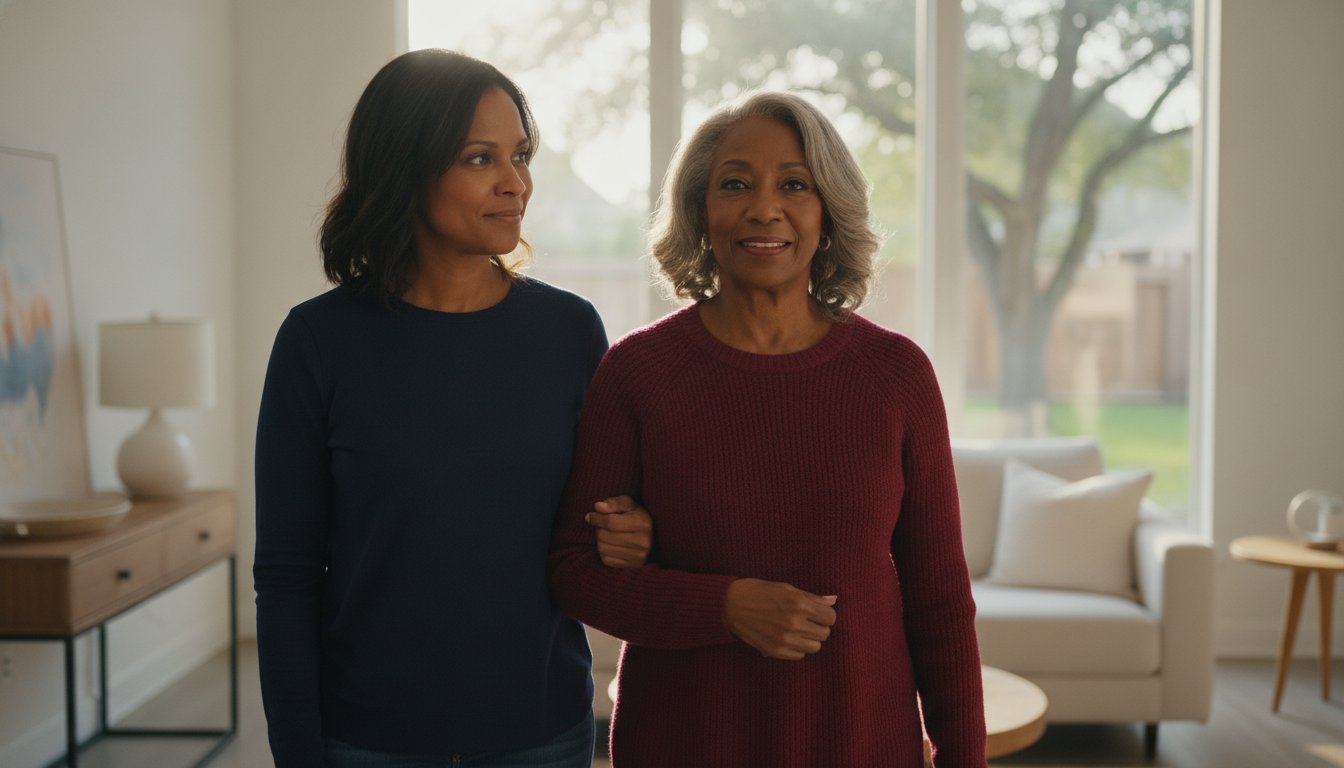
Did you know that more than one in four people aged 65 and older fall every single year, resulting in approximately 1 million hospitalizations? This startling statistic highlights why fall prevention for seniors at home is such a critical priority for families who value both safety and independence. It’s completely natural to feel a heavy sense of worry or even guilt when you can’t be there 24/7 to watch over a parent. You want them to stay in the home they love, yet the fear of a life-changing hip fracture or head injury can make every phone call feel like a potential emergency.
We believe that aging in place should be a journey defined by comfort rather than fear. This guide will show you how to identify hidden household hazards, manage health-related risks, and implement professional safety strategies that protect your loved one’s dignity. You’ll gain access to a clear safety checklist and learn exactly when professional support, such as 24-hour care or automated safety technology, is the right step for your family. Our goal is to provide you with the confidence and tools needed to keep your loved ones safe and secure in their own environment.
Key Takeaways
- Break the “Fear of Falling” cycle by understanding how proactive movement and strength preservation protect long-term independence.
- Master a room-by-room safety audit that uses the “3-foot rule” to eliminate environmental hazards in high-risk areas like kitchens and bathrooms.
- Learn why managing multiple medications and scheduling regular vision exams are essential health steps for maintaining balance and coordination.
- Discover how professional fall prevention for seniors at home shifts the focus from reactive alert buttons to proactive, 24-hour supervision and support.
- Find out how personalized home safety assessments in Sugar Land and Houston can transform a house into a secure sanctuary for aging in place.
Table of Contents
- The Critical Importance of Fall Prevention for Seniors at Home
- Room-by-Room Home Safety Audit: Eliminating Environmental Hazards
- Beyond the Rug: Managing Health Risks and Medication Side Effects
- Leveraging Technology and Professional Support for 24/7 Safety
- Personalized Fall Prevention Strategies in Sugar Land and Houston
The Critical Importance of Fall Prevention for Seniors at Home
Fall prevention for seniors at home isn’t just about clearing away rugs; it’s a proactive commitment to preserving a person’s dignity and independence. When we view safety through a structured lens, we see that most accidents aren’t inevitable. They’re manageable risks. For many, the true danger begins with the “Fear of Falling” cycle. This psychological hurdle starts when a minor slip or near-miss causes a senior to become overly cautious. This caution leads to reduced physical activity, which unfortunately triggers muscle weakness and poor balance, making a future fall even more likely. Breaking this cycle requires a shift in mindset from reacting to accidents to preventing them before they occur.
The impact of these incidents on long-term wellness is profound. As of July 2026, data shows that more than one in four seniors fall each year, leading to approximately 3 million emergency department visits and 1 million hospitalizations. A dedicated focus on fall prevention for seniors at home allows families to address these statistics head-on through environmental changes and health management. For a comprehensive overview of fall prevention, it’s helpful to look at how environmental and biological factors intersect. By implementing a structured safety plan, families can significantly reduce these risks and ensure their loved ones remain in the comfort of their own homes for as long as possible.
Why Seniors are More Susceptible to Falls
Biological changes are a natural part of aging, but they often compromise stability. Sarcopenia, the age-related loss of muscle mass, and decreased bone density make the body more vulnerable to injury. Vision changes also play a role, as a loss of depth perception or contrast sensitivity can make a simple doorstep look like a flat surface. Balance is further affected by inner ear issues that disrupt our internal sense of equilibrium. Proprioception is the body’s ability to perceive its own position and movement in space, and as this sense dulls with age, maintaining steady footing becomes a conscious effort rather than an automatic one.
The Long-Term Impact of a Fall on Independence
A single fall often serves as the catalyst for a transition into an assisted living facility, a move many seniors hope to avoid. Beyond the physical pain, there is a significant emotional and financial toll on family caregivers who may struggle to balance the need for constant supervision with their own lives. Early intervention through professional assessments and home modifications preserves a senior’s quality of life. By addressing risks early, we protect the individual’s spirit and ensure that the home remains a place of sanctuary rather than a source of anxiety.
Room-by-Room Home Safety Audit: Eliminating Environmental Hazards
The home should be a sanctuary, but for many older adults, it contains subtle obstacles that can lead to a serious accident. Identifying these risks requires a detailed Room-by-Room Home Safety Audit to ensure every living space supports easy mobility. The kitchen and bathroom remain the highest-risk areas because they often feature hard, slippery surfaces and the frequent presence of water. To manage these risks in common areas, we suggest following the “3-foot rule.” This strategy ensures all walkways are at least three feet wide and entirely clear of furniture, cords, or decorative clutter. This clear path allows for the safe use of mobility aids and prevents the need to navigate around tight, awkward corners.
Effective fall prevention for seniors at home also involves looking for “invisible” hazards that often go unnoticed during a quick glance. Loose floorboards, frayed carpet edges, or slight height differences in transitions between tile and wood can easily cause a trip. It is essential to ensure that every threshold is flush or clearly highlighted with contrasting tape. If your family feels overwhelmed by these modifications, professional Quick Care Services can help by providing an immediate safety assessment to identify these specific vulnerabilities. Implementing these changes is a cornerstone of fall prevention for seniors at home and provides peace of mind for the whole family.
Bathroom Safety: The Most Critical Zone
The bathroom is the most frequent site of home injuries due to the combination of moisture and hard materials. Installing professionally mounted grab bars near the toilet and inside the shower is a non-negotiable safety step. It is a common mistake to use towel racks for support, but these fixtures are not designed to hold a person’s weight and can easily pull away from the wall. Additionally, raised toilet seats and walk-in tubs significantly reduce the physical exertion required for daily hygiene. Always place high-traction, non-slip mats in wet areas and organize cabinets so that essential items remain at waist height to avoid the need for reaching or stooping.
Lighting and Flooring Solutions
Proper lighting is vital for maintaining balance, especially when moving between rooms with different light levels. Motion-activated nightlights are an excellent solution for hallways, bathrooms, and bedrooms, as they provide instant illumination without requiring a senior to search for a light switch in the dark. Regarding flooring, the safest approach is to remove all throw rugs, as they are a primary cause of stumbles. If a rug is essential for comfort, it must be secured to the floor with heavy-duty, double-sided tape. We also recommend wearing supportive, rubber-soled shoes inside the house at all times; walking in socks or smooth-bottomed slippers is a major risk factor for slips on polished surfaces.
Beyond the Rug: Managing Health Risks and Medication Side Effects
While modifying your environment is a vital first step, the internal health of your loved one is equally important for long-term safety. Polypharmacy, the practice of taking five or more medications, significantly increases the risk of drug interactions that cause dizziness or sudden drops in blood pressure. Managing these prescriptions is a core part of fall prevention for seniors at home, as even common medications for blood pressure or sleep can affect stability. If a senior experiences lightheadedness when standing up, it’s often a sign that their medication regimen needs a professional review. Utilizing medication management for elderly loved ones ensures that dosages are tracked accurately and adverse reactions are caught before they lead to an accident.
Balance isn’t just about muscle strength; it’s a sensory process that depends on clear input from the eyes and ears. Vision changes can make it difficult to judge the depth of a curb, while hearing loss can affect the inner ear’s ability to maintain equilibrium. Scheduling regular sensory exams is a proactive way to support fall prevention for seniors at home. You can find additional guidance through CDC fall prevention resources, which offer tools for discussing these specific health risks with a primary care physician. These resources help families identify which biological factors are most likely to impact their relative’s unique situation.
Maintaining bone density provides a critical safety net if a stumble does occur. Vitamin D and calcium are essential nutrients that help keep bones resilient and less prone to fractures. This is particularly important given that in 2019, 88% of hospitalizations for hip fractures were caused by falls. Whether through a balanced diet or physician-approved supplements, supporting skeletal health ensures that a minor slip doesn’t turn into a life-altering injury. Strengthening the body from the inside out is just as necessary as removing hazards from the floor.
The Dementia-Fall Connection
Families navigating memory loss face unique challenges regarding physical safety. Cognitive decline often compromises spatial awareness, making it difficult for a senior to judge the distance to a chair or the height of a step. Wandering behaviors also increase the likelihood of a trip, especially in low-light conditions or unfamiliar areas of the house. For those managing these complexities, specialized dementia home care services in Sugar Land provide the constant supervision needed to prevent accidents while honoring the individual’s routine and dignity.
Exercises to Improve Balance and Strength
Staying active is one of the most effective ways to preserve mobility and confidence. Low-impact activities like Tai Chi or seated yoga are excellent for building functional strength, which is the muscle power needed for daily tasks like standing up from a sofa. These exercises focus on core stability and coordination, helping the body react more quickly to a loss of balance. It’s always wise to consult a physical therapist before starting a new regimen to ensure the movements are safe and tailored to your loved one’s specific physical abilities.
Leveraging Technology and Professional Support for 24/7 Safety
While alert buttons are a common safety tool, they are inherently reactive. A senior must be conscious and able to reach the button after a fall has already occurred. Proactive fall prevention for seniors at home shifts the focus to preventing the accident entirely through active supervision and consistent companionship. For families who need the highest level of security, 24-hour home care in Houston provides a dedicated professional who is present to assist with mobility at any hour. This constant presence ensures that a loved one never has to navigate a dark hallway or a slippery bathroom alone during the night.
Beyond physical assistance, companionship plays a vital role in maintaining stability. Caregivers encourage regular hydration and safe movement throughout the day, which helps prevent the muscle stiffness and dizziness that often lead to stumbles. Having a steady partner for daily walks or simple household tasks builds a senior’s confidence and reduces the “fear of falling” cycle discussed earlier. If you’re ready to explore how professional support can enhance your family’s safety plan, Modern Vintage Home Care offers personalized solutions tailored to your unique needs.
Automated Safety Monitoring: The Modern Approach
Modern safety strategies now integrate technology that works quietly in the background to support independence. Automated medication reminders are a vital tool; they prevent the dosage errors that frequently cause the confusion or instability that leads to a fall. For those living alone, automated check-in services and wellness checks offer a reliable safety net. These systems alert family members or care teams if a senior does not respond at a scheduled time, providing essential peace of mind for long-distance caregivers who cannot be there in person every day. Integrating these smart home tools with professional caregiving creates a comprehensive shield of protection.
When to Transition to Professional In-Home Care
There comes a point where home modifications and DIY strategies are no longer sufficient to ensure total safety. If your loved one struggles with “transferring,” which is the process of getting in and out of bed or a chair, it is a clear sign that professional assistance is needed. Professional attendants are trained to use proper body mechanics to support these transitions without risking injury to themselves or the senior. If you find yourself feeling exhausted by the demands of constant supervision, utilizing respite care for family caregivers allows you to recharge while knowing your relative is in expert hands.
Personalized Fall Prevention Strategies in Sugar Land and Houston
Effective fall prevention for seniors at home requires more than general advice; it demands a strategy tailored to the specific layout of a house and the unique health needs of the individual. For families in the Sugar Land and Houston areas, Modern Vintage Home Care provides a localized approach that understands the specific needs of our Fort Bend County neighbors. By choosing a local agency, you gain a partner who is familiar with the community and can respond quickly to changing situations. Our goal is to bridge the gap between professional safety standards and the warmth of home-based support.
A professional home safety assessment is the foundation of any successful prevention plan. While family members often spot obvious hazards like loose rugs, a professional eye identifies subtle risks such as improper lighting angles or dangerous furniture heights. For families facing an urgent transition, such as a discharge from a local hospital, our “Quick Care” model provides immediate safety assessments. This proactive service ensures that the home environment is secured before a loved one even walks through the door, significantly reducing the risk of a post-hospitalization accident.
The Modern Vintage Safety Assessment
During an initial in-home safety consultation, we do not just look at the floorboards; we look at the whole person. We evaluate how your loved one moves through their specific environment and identify where their routine might put them at risk. This process allows us to create a customized care plan that balances high safety standards with personal dignity and independence. If your relative requires more hands-on assistance with daily tasks, we can integrate personal care for seniors in Houston into their safety strategy, ensuring they have the physical support needed to navigate their home securely.
Support for Our Local Heroes
We are deeply committed to serving those who have served our country. Eligible seniors can often utilize veterans home care benefits in Sugar Land to help manage the costs of fall prevention for seniors at home. These specialized VA programs are designed to provide the necessary support for veterans to age in place safely, often covering the costs of professional attendants and safety-focused care services. If you are unsure about eligibility, we can help you understand how these benefits apply to your family’s specific needs.
You don’t have to manage these risks alone. Whether you need an immediate safety review or long-term supervision, we are here to provide the steady, compassionate guidance your family deserves. Schedule your professional home safety assessment today.
Empowering Independence Through a Safer Home Environment
Creating a secure living space is a continuous journey that evolves alongside your loved one’s needs. By addressing environmental hazards through a room-by-room audit and managing health risks like medication side effects, you’ve already taken significant steps toward effective fall prevention for seniors at home. Remember that technology and professional supervision aren’t just safety nets; they’re tools that preserve dignity and provide the freedom for seniors to age in place with confidence.
As a licensed Texas home care agency, we specialize in providing the expert support families need during these sensitive life transitions. Our team includes specialized Alzheimer’s and dementia care experts who understand the unique safety challenges associated with cognitive decline. Whether you require proactive automated safety monitoring or hands-on companionship, we act as your steady advocate. Don’t let the fear of a fall overshadow the joy of living at home. Request a Free Home Safety Assessment from Modern Vintage Home Care today to ensure your parent’s home remains a true sanctuary. We’re ready to walk this path with you, ensuring every detail is handled with the heart of a dedicated caregiver.
Frequently Asked Questions
What are the most common causes of falls for seniors at home?
Falls are typically caused by a combination of biological factors and environmental risks. Common triggers include muscle weakness, vision impairment, and side effects from medications that cause dizziness. In the home, cluttered walkways and poor lighting often turn minor stumbles into serious injuries. Identifying these causes early is the first step in creating a comprehensive strategy for fall prevention for seniors at home.
How can I convince my parent to use a walker or cane?
Focus the conversation on independence rather than limitation. Explain that a mobility aid is a tool that allows them to keep doing the activities they love without fear. It’s often helpful to have a doctor or physical therapist make the recommendation, as seniors may be more receptive to medical advice. Emphasize that using a walker or cane proactively can prevent the very injuries that lead to a permanent loss of freedom.
Does Medicare cover the cost of home safety modifications?
Original Medicare typically does not cover home safety modifications like grab bars or walk-in tubs because they aren’t considered medically necessary durable medical equipment. However, some Medicare Advantage plans have begun offering supplemental benefits that may cover these costs. It’s always wise to check your specific policy or look into the Stand Strong for Medicare Act, which was introduced in 2025 to address these coverage gaps.
What should I do immediately after my elderly parent falls?
Stay calm and encourage your parent to remain still while you check for pain or signs of injury. If they are unconscious or have severe pain, call emergency services immediately and do not attempt to move them. If they seem uninjured and want to get up, use a sturdy chair for support and guide them slowly. Always notify their doctor afterward, as a fall can indicate an underlying health issue.
How often should a senior have their medications reviewed for fall risk?
Seniors should have their medications reviewed by a physician or pharmacist at least once a year. A review is also necessary whenever a new prescription is added or a dosage is changed, as these transitions increase the risk of side effects like dizziness. This proactive management is a critical component of fall prevention for seniors at home, ensuring that drug interactions don’t compromise their stability or cognitive clarity.
Are there specific shoes that help prevent falls for the elderly?
The best footwear for stability includes sturdy, rubber-soled shoes with low heels and a secure back. Avoid walking in socks, smooth-bottomed slippers, or high heels, as these offer very little traction on polished floors. Shoes with adjustable fasteners like Velcro can also provide a snugger fit for those with foot swelling. Proper footwear ensures that the feet have a reliable grip, which is essential for maintaining balance on various home surfaces.
Can dehydration increase the risk of falling in seniors?
Dehydration is a significant but often overlooked risk factor for falls. When the body lacks sufficient fluids, blood pressure can drop suddenly, leading to lightheadedness or confusion. This is particularly common when a senior stands up quickly after sitting or lying down. Encouraging regular fluid intake throughout the day helps maintain steady blood pressure and ensures that the brain and muscles function optimally for balance.
How does professional home care help prevent falls for seniors with dementia?
Professional caregivers provide the constant, vigilant supervision that seniors with dementia need to stay safe. They are trained to manage high-risk behaviors like wandering and can intervene before a senior attempts a dangerous movement. In addition to physical support, caregivers maintain a calm, structured routine that reduces the confusion and agitation that often lead to accidents. This specialized support ensures that safety is maintained without compromising the individual’s dignity.